

Every unanswered call costs UK businesses more than a lost conversation. It costs real revenue. We're seeing mid-sized companies lose anywhere from £15,000 to £50,000 annually on missed calls alone, and that's before factoring in the lifetime value of customers who simply ring a competitor instead. The maths is straightforward, but most business owners have never actually calculated their own number.
The hidden cost calculation: What a missed call actually costs your business
The true cost of a missed call varies dramatically by industry. UK estate agents typically see customer lifetime values between £8,000 and £15,000 when factoring in repeat business and referrals. Dental practices average £2,500 to £4,000 per patient over their relationship. Trades like plumbers and electricians land around £1,200 to £3,000, while professional services firms often exceed £20,000 per client relationship.
"A missed call is rarely one lost sale. It's the first domino in a chain of revenue that never materialises."
The compounding effect is what most businesses underestimate. That unanswered enquiry from a first-time buyer could have led to five referrals over the next decade. A new dental patient might have brought their entire family. The single job enquiry to a tradesperson often turns into a trusted contractor relationship worth dozens of callouts.
Then there are the hidden costs. Negative reviews from unreturned calls damage local search rankings. Poor after-hours availability creates a perception gap against competitors who answer first. We're seeing that businesses who respond within five minutes are 21 times more likely to convert a lead than those who take 30 minutes.
The formula is straightforward: Average transaction value × Conversion rate × Customer lifetime multiplier = True cost per missed call.
For a dental practice, that's £250 × 0.40 × 12 years = £1,200 per missed call. The numbers add up fast.

Industry spotlight: Real revenue impact data for UK businesses
Estate agency is where the stakes are highest. A single missed Rightmove enquiry could represent £12,000 in commission. We're seeing agencies lose two or three serious buyers per week simply because calls went to voicemail during viewings. The solution? Many are now turning to AI assistants that handle buyer enquiries instantly, asking qualification questions about mortgage approval and properties to sell before a human ever gets involved. For those unfamiliar with the technology, this beginner's guide for UK estate agents breaks down how it works in practice.
Healthcare tells a similar story. Dental practices report that 35% of new patient enquiries come outside reception hours. Each one represents potential treatment plans, hygiene appointments, and family referrals spanning years. One missed call on a Tuesday evening could mean £3,500 walking through a competitor's door instead.
The trades sector operates on a different principle: speed wins. When a boiler breaks in January, homeowners call three plumbers and book whoever answers first. The other two never get a callback. Professional services firms face the same dynamic during peak periods, with potential clients moving down their shortlist until someone picks up.
The compounding disadvantage is real. Competitors who capture these calls build stronger review profiles, better local search rankings, and deeper referral networks. Every missed call widens the gap.
The 24/7 gap: Why after-hours calls matter more than you think
The data tells a clear story. Between 40% and 60% of all business calls arrive outside standard 9-to-5 hours. That's not a minor inconvenience. It's potentially half your revenue ringing through to voicemail.
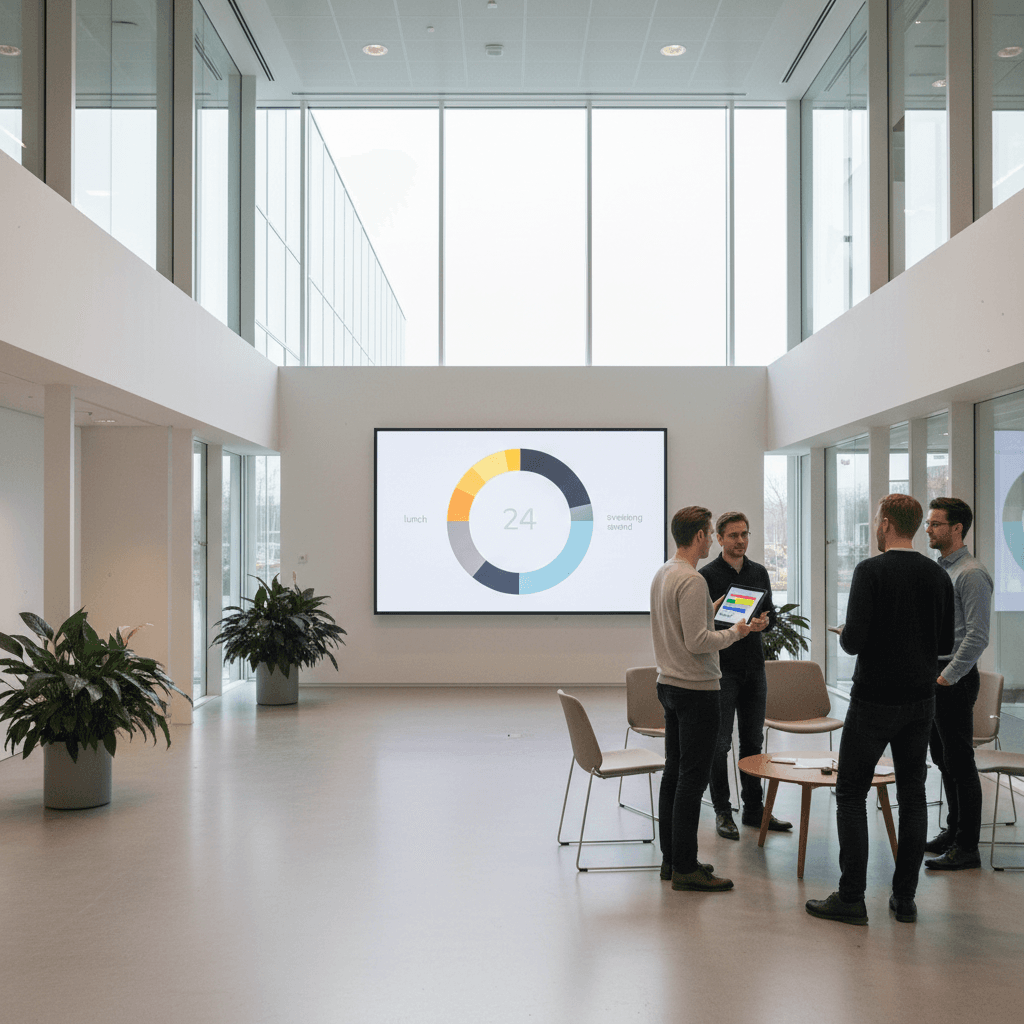
Customer behaviour has shifted permanently. Evening research sessions peak between 7pm and 9pm, when people finally have time to compare options and make decisions. Lunch break enquiries flood in from 12pm to 2pm. Weekend browsing accounts for a surprising 25% of weekly call volume in service industries. These callers aren't just browsing. They're ready to book.
Voicemail creates an immediate perception problem. A customer reaching a recorded message at 7:30pm assumes either disorganisation or disinterest. They move to the next number on their list. The business that answers, even through an AI answering service for after-hours calls, wins the booking and the relationship.
Modern AI phone assistants integrate directly with existing phone systems, handling scheduling, appointments, and customer interactions without missing a beat. According to the best AI virtual receptionist UK guide for 2025, these systems now conduct complex, multi-turn conversations that are often indistinguishable from live staff. They ask relevant questions, book appointments, and create the impression of a business that's always available.
The revenue maths is striking. If 45% of calls occur after hours and each missed call costs £1,200, a dental practice missing just four evening calls weekly loses £249,600 annually.
Break-even analysis: When an AI phone assistant pays for itself
The ROI timeline varies by business size, but the pattern is consistent. Micro businesses with one to five employees typically see break-even within two to four weeks. Small businesses with six to twenty staff hit the mark in one to two months. Growing SMEs above twenty employees often reach profitability faster due to higher call volumes.
The maths is straightforward. A typical virtual receptionist solution costs between £50 and £200 monthly depending on features and call volume. If the average booking value is £150 and the AI costs £100 per month, a business needs just one additional conversion to break even. Everything beyond that is profit.
Modern AI virtual receptionists conduct complex, multi-turn conversations often indistinguishable from live staff. We're seeing conversion rates that match or exceed human receptionists, partly because AI never has a bad day, never puts callers on hold, and answers on the first ring every time.
The hidden savings add up quickly too. Reduced overtime during peak periods. No temporary staff costs for holiday cover. And perhaps most significantly, owners and skilled tradespeople stop answering phones and start delivering billable services instead.
A plumber spending 90 minutes daily on calls could reclaim that time for paid work. At £60 per hour, that's £270 weekly in recovered revenue, or over £14,000 annually. The AI pays for itself many times over before the first break-even conversion even happens.
Making the financial case: What to consider before investing
Before committing budget, the smartest businesses run their own numbers and address compliance fundamentals.
-
AI quality has shifted dramatically. Advanced AI assistants now understand context, user intent, and even emotional cues through natural language processing. The result? Interactions that protect brand reputation rather than damage it. Following proven AI receptionist tips helps businesses configure systems that genuinely reflect their service standards.
-
GDPR compliance is non-negotiable. UK AI assistants handling sensitive data or financial enquiries need clear data processing protocols. The best providers offer built-in reporting dashboards that track performance metrics and prove ROI, essential for both compliance audits and board-level justification.
-
Transparency builds trust. Best practice for UK businesses is to disclose upfront that callers are speaking with AI. This maintains legal compliance and, surprisingly, often increases caller confidence. Honesty about automation tends to outperform attempts to disguise it.
-
Four questions determine your cost-benefit position. Current call volume, missed call rate, average booking value, and staff time currently spent on phones. A business fielding 200 calls weekly with a 15% miss rate and £300 average booking is looking at very different numbers than one with 50 calls and £75 transactions.
The financial case becomes clear once these variables are mapped. Ready to calculate your exact ROI? Get in touch for a demo and we'll analyse your call patterns to show you the break-even point for your business.